 0
0
 0
0 English
 Español
 Français
Table of Contents
1.Introduction: The Core of Heat Retention
2.The Technical Mechanism: How Full-Foam Works
3.Energy Efficiency: Comparing Insulation Standards
4.Beyond Warmth: Structural Integrity and Durability
5.Conclusion: The Smart Investment
For any homeowner considering a hot tub or outdoor spa, the question of operating costs and temperature consistency is paramount. The ability of a tub to maintain warmth against freezing external temperatures defines its quality and efficiency. Among the various technologies available, full-foam insulation stands out as the industry gold standard for maximizing heat retention. This article explores the technical reasons why this method is superior and how it benefits the end-user.
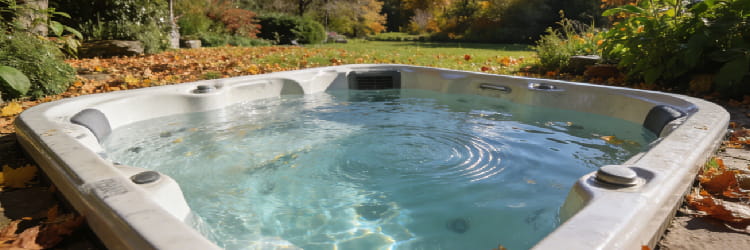
The Technical Mechanism: How Full-Foam Works
The primary benefit of full-foam insulation lies in its comprehensive coverage. Unlike partial insulation methods, full-foam involves spraying or injecting high-density polyurethane foam into the cavity between the shell, the cabinet, and the internal floor . This process completely encapsulates the plumbing and internal components, creating a monolithic thermal barrier.
This "total fill" approach ensures that heat is effectively trapped inside the outdoor tub, minimizing thermal bridging where heat typically escapes . The foam itself possesses inherent insulating properties with high thermal resistance, effectively blocking heat transfer to the outside environment . By securing the warmth within the core, the hot tub requires significantly less energy to maintain the desired water temperature.

Energy Efficiency: Comparing Insulation Standards
When evaluating an outdoor spa, energy efficiency is often the deciding factor. Full-foam insulation is widely recognized as the most efficient standard in the industry . By forming a continuous insulating seal, it prevents the heat loss common in models with air gaps or partial lining .
Comparative analyses suggest that while alternative insulation methods exist—such as layered thermal blankets or recycled materials—full-foam provides a superior seal against the elements . This direct correlation between insulation quality and energy consumption means that owners of full-foam models typically enjoy lower monthly running costs, as the heater does not need to cycle as frequently to compensate for heat loss .
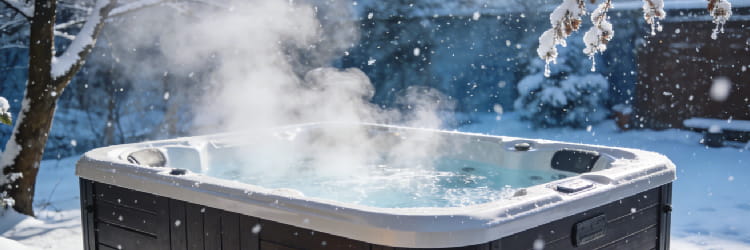
Beyond Warmth: Structural Integrity and Durability
The advantages of full-foam insulation extend beyond simple heat retention. A lesser-known benefit is the structural reinforcement it provides. Once cured, the high-density foam hardens, adding significant strength to the hot tub shell and chassis .
Furthermore, this solid encasement secures the plumbing lines and jets in place. By minimizing movement and vibration during operation, the foam reduces wear and tear on pipes and fittings, lowering the risk of leaks and extending the lifespan of the outdoor tub . This dual functionality—thermal efficiency and structural support—makes full-foam a holistic engineering solution.
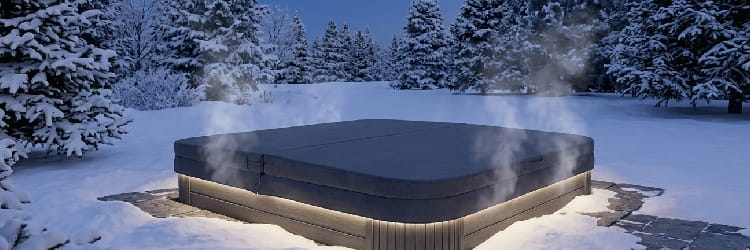
In summary, full-foam insulation offers a trifecta of benefits for any outdoor spa: maximum heat retention, superior energy efficiency, and enhanced structural durability. By creating a sealed thermal envelope, it ensures that warmth stays where it belongs—in the water—thereby reducing energy waste and operating costs. For buyers seeking a long-term, cost-effective soaking experience, verifying the presence of full-foam insulation is a crucial step in the selection process.
_02-2.jpg?imageView2/2/w/320/h/320/format/jpg/q/75 "Whirlpool Massage Bath SPA RL-6155/1570")
-2.jpg?imageView2/2/w/320/h/320/format/jpg/q/75 "67'' Oval Freestanding Bathtub RL-MF1235/1708")

.jpg?imageView2/2/w/320/h/320/format/jpg/q/75 "Glass freestanding shower cabin shower RL-513(B)")
_sherry_01.jpg?imageView2/2/w/320/h/320/format/jpg/q/75 "Steam Cabin RL-D04(B)-Sherry")
_01.jpg?imageView2/2/w/320/h/320/format/jpg/q/75 "Adult bathtub cabin shower room steam RL-D03(B)")
 Contact us


 Leave A Message