 0
0
 0
0 English
 Español
 Français
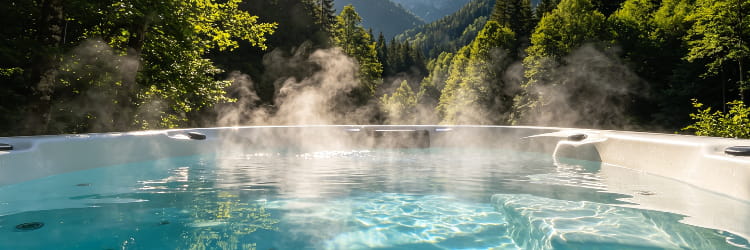
Welcome, fellow connoisseurs of the bubbly arts! You, the discerning hot tub enthusiast, know that the secret to a perfect soak isn't just about the jets or the temperature. It’s about the pristine, crystal-clear water that invites you in. But who’s the unsung hero behind this aquatic paradise? Who stands guard against the microscopic party crashers like skin cells, oils, and the remnants of last night’s poolside snacks?
That’s right, it’s your hot tub filter.
Think of your filter as the world’s most dedicated, and frankly, underappreciated bouncer. It works tirelessly, 24/7, to keep the riff-raff out of your exclusive water club. But not all bouncers are created equal. Some are grizzled veterans, some are high-tech specialists, and some are just there for a good time, not a long time.
Today, we’re diving deep into the world of hot tub filtration types. We'll settle the great debate: are pleated, ceramic, or disposable filters the right choice for your spa? We'll demystify the numbers game of micron density and finally create a cleaning schedule that actually makes sense. So grab your rubber ducky, and let's get ready to make a splash.
Table of Contents
1.The Nitty-Gritty on Filtration - What in the World is a Micron?
2.The Main Event - A Head-to-Head Filter Showdown
3.The Great Filter Cleaning Debate - Your Guide on How to Clean a Spa Filter
4.Conclusion: And the Winner Is…
1.Part 1: The Nitty-Gritty on Filtration - What in the World is a Micron?
Before we can crown the best hot tub filters, we need to speak their language. And that language is all about "microns."
A micron, short for micrometer, is a unit of measurement equal to one-millionth of a meter. To put that in perspective:
- A single human hair is about 70 microns thick.
- The smallest thing the naked human eye can see is around 20-40 microns .
- Bacteria can be as small as 2 microns, while algae spores are around 30-40 microns.
When a filter has a "micron rating," it's telling you the size of the particles it’s designed to capture . A filter with a 10-micron rating will, in theory, stop particles that are 10 microns or larger from re-entering your tub. The lower the micron number, the smaller the particle it can trap, resulting in finer filtration .
So, smaller is always better, right? Not so fast. Think of it like trying to get through a crowded doorway. A very, very small micron rating (like 1 or 5 microns) is like a tiny, exclusive entrance. It does an amazing job of keeping everyone out, but it can also get clogged very quickly, leading to a massive queue (which in your hot tub’s case means reduced water flow, strained pumps, and more frequent cleaning).
Conversely, a filter with a very high micron rating (say, 100 microns) is like a wide-open barn door. The water flows through beautifully, but so do a lot of unwanted microscopic guests.
Furthermore, a micron rating isn't the whole story. You also have to consider a filter's "efficiency" . A filter might have a 20-micron rating, but is it catching 99% of 20-micron particles or just 50%? This efficiency can be affected by the filter material, its design, and its age .
The sweet spot for most hot tubs lies in a balance between fine filtration and good water flow. Most standard spa filters are designed to capture particles in the 10-50 micron range, which is perfect for nabbing common contaminants like skin cells, lotions, and fine debris .
Now that you’re a certified micron-ologist, let’s meet the contenders.

2.Part 2: The Main Event - A Head-to-Head Filter Showdown
In the world of hot tub filters, there are three main challengers vying for the championship belt. Each has its own strengths, weaknesses, and personality.
The Workhorse: Pleated Cartridge Filters
This is the filter you most likely know and, well, have a love-hate relationship with. Made from pleated polyester or other synthetic fabric, these are the most common type of filter found in hot tubs today for a reason . The pleats are a brilliant piece of engineering, dramatically increasing the surface area of the filter media . More surface area means more space to trap gunk, which translates to longer periods between cleanings and more effective filtration overall .
- Filtration Power:Pleated filters are the jack-of-all-trades. They typically have a micron rating in the 10-25 micron range, making them highly effective at capturing the usual suspects that cloud your water . There are even high-end, sub-micron pleated filters available that can filter down to an incredible 0.1-0.45 microns, though these are less common for typical residential spas .
- Longevity & Cost:These filters are built to last. With proper care, a good quality pleated filter can serve you well for one to two years . The initial cost is moderate, but because they are reusable, they are often the most cost-effective option in the long run .
- Maintenance:Ah, here's the catch. To get that long life, you have to put in the work. Pleated filters require regular cleaning. This involves rinsing them down and periodically giving them a deep chemical soak to break down oils and lotions that clog the pores of the fabric. We’ll cover exactly how to clean a spa filter later on.
Pros:
- Excellent filtration for most hot tub needs.
- Large surface area for capturing debris .
- Reusable and durable, offering great long-term value .
- Widely available for almost every spa model.
Cons:
- Requires a hands-on cleaning routine.
- Performance degrades if not cleaned properly or regularly .
- Can be a messy chore to clean.
The Rare Gem: Ceramic Filters
If pleated filters are the reliable family sedan, ceramic filters are the classic, hand-built sports car. They are far less common in the hot tub world but have a dedicated following . These filters are made from a porous ceramic material that can be designed to filter out extremely small particles.
- Filtration Power:Ceramic filters can boast some impressive micron ratings, sometimes getting as low as 5 microns or even less (generalizing from . This allows them to capture a wider range of contaminants, potentially leading to exceptionally clear water.
- Longevity & Cost:Here is where the ceramic filter truly shines. They are incredibly durable and can last for many years with proper care—much longer than a standard pleated filter . However, this longevity comes with a significantly higher initial price tag.
- Maintenance:The maintenance for a ceramic filter is a double-edged sword. On one hand, they are cleanable. On the other, they can be more delicate and require a more specific cleaning regimen. They are particularly susceptible to clogging and damage in areas with hard water, as mineral buildup can be tough to remove without damaging the ceramic pores . Dropping one can mean an expensive crack and an immediate need for replacement.
Pros:
- Potentially superior fine-particle filtration.
- Extremely long lifespan when maintained properly .
- A durable alternative to fabric filters.
Cons:
- Very high initial cost.
- Can be brittle and prone to cracking if mishandled.
- Higher maintenance needs, especially in hard water areas .
- Much harder to find for most spa models.
The Convenience King: Disposable Filters
For those who hear the words "filter cleaning" and immediately want to drain their tub and turn it into a giant planter, the disposable filter is your champion. The philosophy here is simple: when it's dirty, you don't clean it, you just toss it and replace it with a fresh one.
It’s important to note there are a couple of sub-types in this category. Some systems use a combination, with a reusable primary filter and a smaller, non-cleanable "microfilter" that you replace every few weeks or months . Others are designed as fully disposable cartridges.
- Filtration Power:This is where it gets interesting. Disposable filters run the gamut in terms of performance. Some are basic sediment filters, while others are made of advanced microfiber materials that claim to trap particles far smaller than even the best pleated filters . You can find disposable options with micron ratings across the entire spectrum, from 100 microns down to a tiny 0.2 microns .
- Longevity & Cost:By definition, their longevity is short. Depending on the type and your spa usage, you might replace them every few weeks or every few months. The initial cost for a single filter is low, but this is a recurring expense. Over the life of your hot tub, disposable filters will almost certainly be the most expensive option. You are paying a premium for convenience.
- Maintenance:What maintenance? This is their main selling point. There is zero cleaning involved. No hoses, no chemicals, no drying time. Just twist out the old, twist in the new, and you're done. This is the ultimate "set it and forget it" solution (until it's time to forget it in the trash).
Pros:
- The absolute pinnacle of convenience—no cleaning required.
- Some advanced models offer exceptionally fine micro-filtration .
- Great for people who are short on time or just really, reallyhate cleaning filters.
Cons:
- Highest long-term cost by a significant margin.
- Generates more waste, making it the least environmentally friendly option.
- You need to keep a steady supply of replacements on hand.
At-a-Glance Comparison Table
To make things even clearer, here’s how our three contenders stack up side-by-side.
|
Feature |
Pleated Cartridge Filters |
Ceramic Filters |
Disposable Filters |
|
Typical Micron Rating |
10 - 25 Microns |
1 - 10 Microns |
0.2 - 50+ Microns (Varies wildly by type) |
|
Typical Lifespan |
1 - 2 Years (with cleaning) |
3 - 5+ Years (with cleaning) |
2 weeks - 4 months (no cleaning) |
|
Maintenance Effort |
Medium: Regular rinsing and periodic chemical soaks. |
High: Careful cleaning, sensitive to hard water. |
None: Simply remove and replace. |
|
Initial Cost |
Medium |
High |
Low |
|
Long-Term Cost |
Low: Most cost-effective over time . |
Medium: High initial cost is offset by long life. |
High: Constant replacement costs add up. |
|
Best For... |
The vast majority of hot tub owners looking for a balance of performance and cost. |
The dedicated enthusiast with a bigger budget who wants maximum filtration and longevity. |
The convenience-seeker who values their time over all else and dislikes maintenance tasks. |
3.Part 3: The Great Filter Cleaning Debate - Your Guide on How to Clean a Spa Filter
If you’ve chosen the pleated or ceramic path, welcome to the cleaning club. Now, if you ask ten different hot tub owners how to clean a spa filter, you’ll likely get eleven different answers. The internet is full of conflicting advice, with recommendations ranging from weekly rinses to quarterly soaks .
Let's cut through the noise and establish a simple, effective, two-pronged approach.
Method 1: The Quick Rinse (Your Weekly or Bi-Weekly Task)
This is your filter's regular spa day. The goal is to remove the loose debris—hair, leaves, larger particles—that have gotten trapped in the pleats.
- Safety First:Turn off the power to your hot tub at the breaker. You don't want the pump to kick on while the filter is out.
- Remove the Filter:Follow your spa manufacturer’s instructions to access and remove the filter cartridge.
- Hose it Down:Using a standard garden hose with a spray nozzle, carefully rinse the filter. Start at the top and work your way down, spraying at a 45-degree angle to drive the debris out of the pleats . Rotate the filter as you go to ensure you clean the entire surface.
- Important "Don'ts":
- Do NOT use a pressure washer.While some sources mention high pressure a pressure washer is too powerful. It can tear the delicate filter fabric, effectively destroying it. Stick to a garden hose .
- Do NOT use dish soap or other household detergents.They will leave a soapy residue that causes a foam party you did not sign up for in your hot tub.
- Do NOT scrub the filter with a stiff brush.This can embed dirt deeper into the fabric and cause premature wear .
Method 2: The Deep Chemical Soak (Your Monthly or Quarterly Ritual)
A simple rinse won't remove the really stubborn stuff: oils, lotions, hair products, and biofilm. These clog the microscopic pores of your filter, reducing water flow and putting a strain on your pump. A deep soak with a dedicated filter cleaner is the only way to dissolve this gunk.
- Rinse First:Always perform a Quick Rinse (Method 1) before you soak your filter. There's no point in soaking a filter caked in leaves.
- Prepare the Solution:In a clean bucket, mix a spa filter cleaning solution according to the product's directions . Always use a product specifically designed for this purpose .
- Submerge and Soak:Place the filter in the bucket, ensuring it is fully submerged. Let it soak for the recommended time, which is typically several hours or overnight .
- The Final Rinse:After the soak, remove the filter from the solution and give it another extremely thorough rinse with your garden hose. You need to get all the cleaning chemical out of the pleats before it goes back in the tub.
- Let it Dry Completely:This is a crucial and often-skipped step. Allowing the filter to dry completely helps to kill any remaining microorganisms and tightens the fabric fibers, improving its filtration ability . This is why having a spare filter is a brilliant idea. You can pop the clean, dry spare in immediately and let the other one dry at its leisure .
A Realistic Cleaning Schedule (Finally!)
So, how often do you actually need to do all this? The honest answer depends heavily on how much you use your hot tub . But here is a sensible, real-world schedule that resolves the conflicting advice:
- Quick Rinse (Method 1):
- Light Use (1-2 people, a few times a week):Every 2 weeks.
- Heavy Use (3+ people, daily use, parties):Once a week.
- Deep Chemical Soak (Method 2):
- Light Use:Every 2-3 months.
- Heavy Use:Once a month .
- Replacement:
- Pleated Filters:Inspect your filter after each deep clean. If the fabric is frayed, the pleats are deformed, or the end caps are cracked, it's time for a new one. As a general rule, plan to replace your pleated filter every 12-18 months for optimal performance .
- Ceramic Filters:Follow the manufacturer's guidance, but inspect for cracks or significant, unremovable discoloration.
- Disposable Filters:Follow the replacement schedule recommended by the manufacturer, which could be anywhere from a few weeks to a few months .
After diving into the murky depths of filtration science, who comes out on top in the battle of the best hot tub filters?
The truth is, there’s no single champion. The best filter is the one that best fits your lifestyle, your budget, and your tolerance for maintenance.
- If you’re like the vast majority of hot tub owners and want a reliable, effective, and budget-friendly solution, the Pleated Cartridge Filter is your undisputed champion.It offers fantastic performance for its price and will keep your water sparkling as long as you’re willing to give it a little TLC.
- If you're a hot tub purist, you value longevity above all else, and you don’t mind a higher upfront cost and a more delicate maintenance routine, the Ceramic Filter might be your niche pick.It's a long-term investment for the dedicated soaker.
- And if you believe time is the ultimate luxury and the thought of cleaning a slimy filter sends shivers down your spine, then you should bow down to the Convenience King: the Disposable Filter.It’s the most expensive path in the long run, but the freedom from maintenance is a powerful allure.
No matter which filter you choose, the real secret to pristine water is consistency. A clean filter is the heart of a healthy spa. By understanding how your filter works and giving it the attention it deserves, you’re not just cleaning a piece of equipment—you’re ensuring every soak you take is as clean, safe, and blissful as the last.
Now go forth, armed with this newfound knowledge, and keep that water sparkling. Your future self, relaxing in a perfectly clear tub, will thank you.
_02-2.jpg?imageView2/2/w/320/h/320/format/jpg/q/75 "Whirlpool Massage Bath SPA RL-6155/1570")
-2.jpg?imageView2/2/w/320/h/320/format/jpg/q/75 "67'' Oval Freestanding Bathtub RL-MF1235/1708")

.jpg?imageView2/2/w/320/h/320/format/jpg/q/75 "Glass freestanding shower cabin shower RL-513(B)")
_sherry_01.jpg?imageView2/2/w/320/h/320/format/jpg/q/75 "Steam Cabin RL-D04(B)-Sherry")
_01.jpg?imageView2/2/w/320/h/320/format/jpg/q/75 "Adult bathtub cabin shower room steam RL-D03(B)")
 Contact us


 Leave A Message